In today’s rapidly evolving packaging landscape, the need for sustainable solutions is more pressing than ever. The Paper Lid Board emerges as a frontrunner in this quest. This eco-friendly material offers numerous advantages that resonate with both consumers and producers.
Using Paper Lid Board supports the reduction of plastic waste, a major environmental concern. It is biodegradable and recyclable, appealing to eco-conscious brands. Moreover, it provides an effective barrier against moisture and grease, maintaining product quality. The lightweight nature of this board cuts down on transportation emissions, contributing to a smaller carbon footprint.
While the benefits seem clear, challenges exist. Not all manufacturers may be equipped to handle this material effectively. The transition to Paper Lid Board requires rethinking supply chains and might come with initial costs. Nonetheless, as awareness of environmental issues grows, exploring Paper Lid Board for sustainable packaging is worth consideration.
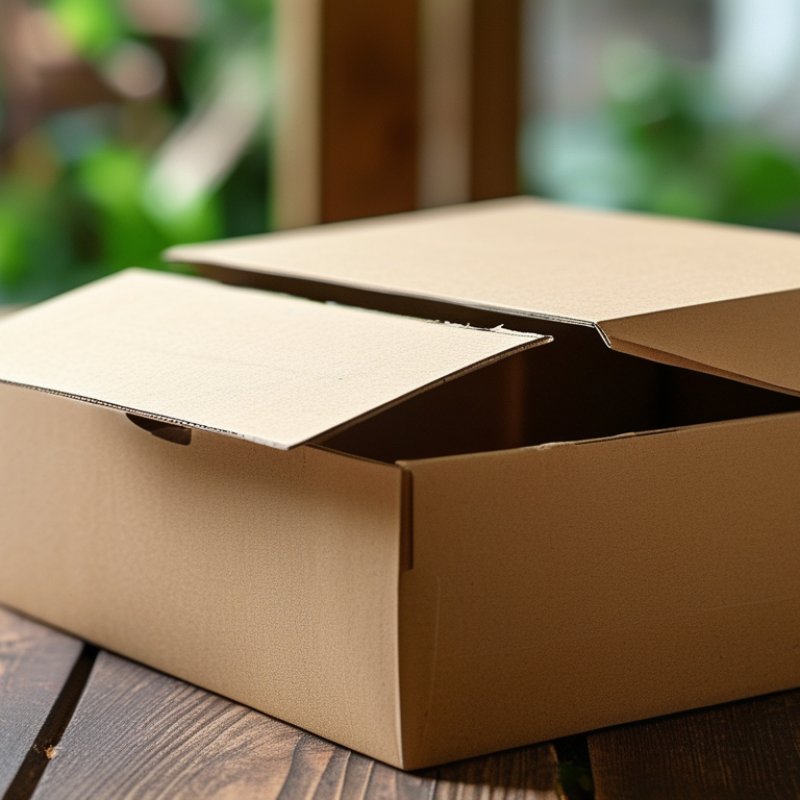
The rise of sustainable packaging solutions has made paper lid boards increasingly popular. They offer several benefits that enhance eco-friendly practices in the packaging industry. One major advantage is their biodegradable nature. Unlike plastic lids, paper lids break down naturally, reducing landfill waste. This aligns with the growing consumer preference for environmentally responsible products.
Additionally, paper lid boards are often produced from renewable resources. They can be sourced from responsibly managed forests, ensuring that the materials used do not deplete natural resources. This careful sourcing promotes sustainable forestry practices. Companies can communicate their commitment to sustainability by using these boards, thus enhancing their brand image.
However, there are challenges associated with paper lid boards as well. They may not always withstand high temperatures as effectively as their plastic counterparts. This can be a significant consideration for food packaging. Businesses must weigh these factors carefully to ensure performance and sustainability. Exploring innovative solutions can help overcome these hurdles while maintaining a commitment to environmentally friendly practices.
In recent years, the push for sustainable packaging has gained momentum. Paper lid boards are emerging as a viable alternative to plastic. These boards significantly reduce plastic waste. The production of these materials has a smaller carbon footprint. This shift can lead to a more eco-friendly food packaging landscape.
Using paper lid boards helps limit the environmental impact. Unlike plastic, paper is biodegradable. When discarded, it breaks down naturally. This alone minimizes landfill overflow. However, it’s essential to ensure that the paper is sourced responsibly. Sustainable forestry practices are vital to avoid deforestation.
Still, challenges exist. Not all paper lid boards are created equal. Some may contain coatings that hinder compostability. Consumers must educate themselves about these nuances. There is a learning curve in transitioning to these alternatives. This requires both industry adaptation and public awareness. Ultimately, embracing paper lid boards can lead to substantial environmental benefits.
| Benefit | Description | Environmental Impact |
|---|---|---|
| Biodegradable | Paper lid boards decompose naturally, reducing landfill waste. | Less plastic waste. |
| Renewable Resource | Made from sustainably sourced trees, they promote responsible forestry. | Supports sustainable forestry practices. |
| Lower Carbon Footprint | Production of paper lid boards often uses less energy. | Reduces greenhouse gas emissions. |
| Customizable | Easily printed and designed to fit branding needs. | Encourages consumer awareness of sustainable choices. |
| Chemical-Free | Typically made without harmful chemicals used in plastic production. | Safer for the environment. |
| Recyclable | Can be recycled after use, promoting circular economy. | Reduces waste through recycling. |
| Versatile | Suitable for various food and non-food applications. | Reduces need for multiple types of packaging. |
| Enhanced Consumer Preference | Aligns with consumer demands for eco-friendly products. | Encourages market shift towards sustainability. |
| Cost-Effective | Often competitive in pricing compared to plastic lids. | Promotes sustainable practices economically. |
| Improved Safety | Less risk of harmful chemicals leaching into food. | Safer food packaging solution. |
The cost-effectiveness of paper lid boards in sustainable packaging is gaining increasing recognition. According to a report by Smithers, the global market for sustainable packaging is expected to grow at a CAGR of 5.7% through 2027. This places eco-friendly materials, like paper board, at the forefront of innovation. Paper lid boards not only reduce overall production costs for businesses but also improve consumer appeal due to their environmentally friendly nature.
Using paper lid boards often results in lower manufacturing costs compared to conventional plastic alternatives. The average cost to produce paper lid boards is approximately 15% less than that for plastic lids. Additionally, this resource is widely recyclable, making it a practical choice in a world where landfill sites are diminishing. A study from the World Economic Forum suggested that shifting to paper packaging could save the industry billions in waste management fees.
Despite their advantages, some challenges exist. The performance of paper lid boards in moisture-heavy environments is worth examining. While they may not offer the same barrier properties as some plastics, continuous improvements in technology are narrowing this gap. This evolving landscape highlights the importance of ongoing research and development in sustainable materials to address these shortcomings effectively.
Paper lid boards offer an ideal solution for sustainable packaging across various industries. Their versatility makes them suitable for multiple applications, from food containers to cosmetic packaging. These boards provide a reliable barrier against moisture and grease, which keeps products fresh without harming the environment. Furthermore, their lightweight nature reduces shipping costs and carbon footprints, promoting eco-friendly practices.
When considering paper lid boards, look at the design flexibility they provide. Custom shapes and sizes can create attractive packaging that meets specific needs. This adaptability allows brands to differentiate their products on shelves and capture consumer attention effectively. It’s essential, however, to ensure the design supports the board's structural integrity, which may require some trial and error.
Choosing sustainable materials is crucial. Not all paper lid boards are created equal. Some may lack the strength or barrier properties required for certain applications. Research the available options. Use sources that offer detailed specifications to make informed decisions. This diligence can lead to improved product protection and reduced waste in the long run.
Consumer preference for sustainable packaging is on the rise, as indicated by a recent survey showing that 74% of consumers are willing to pay more for eco-friendly options. This shift is leading companies to explore alternatives like paper lid boards. These boards are made from renewable resources, aligning with the growing demand for sustainability.
The benefits of paper lid boards extend beyond just eco-friendliness. They are lightweight and provide excellent protection for food products. Research from the Sustainable Packaging Coalition shows that consumers are 50% more likely to buy products packaged in environmentally friendly materials. This statistic illustrates the crucial role that packaging plays in purchasing decisions.
However, manufacturers must consider the complexity of transitioning from traditional packaging materials. Challenges such as sourcing reliable suppliers and ensuring the boards maintain product integrity must be addressed. Sustainable packaging is not yet a universal solution, and companies may face limitations as they innovate. Investing in durable, recyclable alternatives can often lead to unintended hurdles, but the potential rewards make it a worthy endeavor.
: Paper lid boards are sustainable alternatives to plastic lids. They significantly reduce plastic waste.
They are biodegradable and break down naturally, minimizing landfill overflow compared to plastic.
The average production cost of paper lid boards is about 15% less than plastic lids.
Yes, some may contain coatings that hinder compostability. Awareness of this issue is important.
They can be used in various sectors, such as food containers and cosmetic packaging.
They may not provide the same moisture barrier as plastic, but technology improvements are addressing this.
Yes, paper lid boards can be made in custom shapes and sizes, enhancing packaging appeal.
Very important. Responsible sourcing avoids deforestation and supports eco-friendly practices.
Look at their strength and barrier properties. Research options and specifications before deciding.
Yes, transitioning requires public awareness and industry adaptation. It can be challenging but important.
The use of Paper Lid Boards is rapidly gaining traction in sustainable packaging solutions due to their numerous benefits. First and foremost, these boards play a significant role in reducing plastic waste, making them an environmentally friendly alternative. By choosing Paper Lid Boards, businesses contribute to lessening the ecological footprint of their packaging. Moreover, they offer cost-effectiveness, providing companies with an affordable solution without compromising on quality or sustainability.
Additionally, Paper Lid Boards are versatile, suitable for a wide range of packaging applications, from food containers to various consumer goods. This adaptability not only meets diverse market needs but also aligns with the growing consumer preference for sustainable packaging options. As more people seek eco-friendly products, the demand for Paper Lid Boards is likely to increase, emphasizing their importance in the transition toward more responsible packaging practices.

UPG International