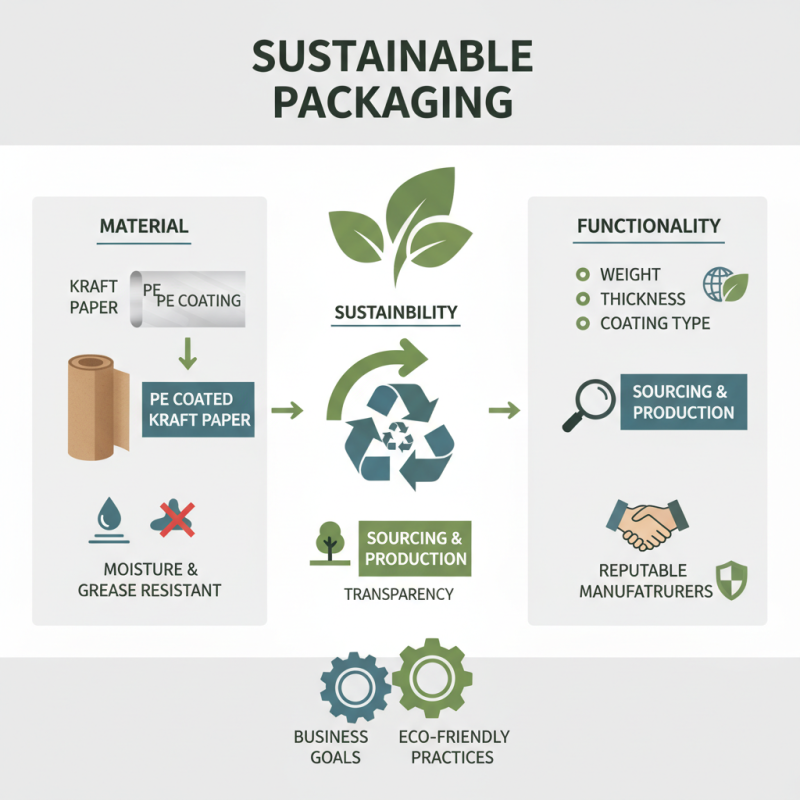
As businesses increasingly prioritize sustainability, packaging solutions are evolving. One standout option is PE coated kraft paper. This material combines the strength of kraft paper with a polyethylene coating, creating a versatile choice for a variety of packaging needs. PE coated kraft paper is not just durable; it is also designed to withstand moisture and grease, making it ideal for food packaging.
Many brands struggle to balance sustainability and functionality in packaging. They often overlook how PE coated kraft paper can meet these dual needs. Its recyclable nature contributes positively to eco-friendly practices. However, it is essential to consider sourcing and production methods. Transparency in these processes is crucial for conscientious businesses aiming to enhance their environmental impact.
Choosing the right PE coated kraft paper involves understanding your specific requirements. Factors include weight, thickness, and the type of coating. Also, not all suppliers uphold the same standards. It is vital to engage with reputable manufacturers who prioritize sustainable practices. By doing so, businesses can ensure their packaging not only looks good but also aligns with their sustainability goals.
PE coated kraft paper is gaining attention due to its sustainability advantages. This type of paper features a polyethylene coating, which enhances its moisture resistance. This makes it ideal for packaging food and other sensitive items. The paper retains the eco-friendly aspects of kraft material while providing necessary durability.
One of the main sustainability benefits of PE coated kraft paper lies in its recyclability. Many facilities can recycle this paper, reducing waste. However, challenges remain. The recycling process can be complicated due to the PE coating. Businesses must ensure they partner with the right recycling programs for effective disposal.
Moreover, while the use of PE coated kraft paper is beneficial, there are concerns about the environmental impact of polyethylene. Companies must evaluate their practices. Finding alternatives or minimizing the use of plastic is crucial. Research and development in biodegradable coatings continue to evolve, offering new solutions. These efforts highlight the balance between using effective materials and prioritizing sustainability.
This chart compares the sustainability aspects of PE coated kraft paper against traditional packaging materials. The dimensions measured include recyclability, biodegradability, carbon footprint, and resource efficiency, highlighting the advantages of PE coated kraft paper in sustainable packaging solutions.
When choosing PE coated kraft paper for sustainable packaging, certain key features stand out. Firstly, the thickness of the paper is crucial. A standard thickness of 80 to 100 gsm provides a balance between durability and flexibility. While thicker paper may seem better, it can impact the recycling process.
The coating quality also matters. High-quality PE coatings ensure better moisture resistance, enhancing the paper's functional performance. Reports show that recycled paper products with PE coatings can maintain integrity for up to six months under various environmental conditions. This means less waste and a lower environmental footprint.
Tip: Always look for certifications. Papers certified by recognized organizations often meet sustainable practices, ensuring that you are making an eco-friendly choice.
Another feature to consider is printability. Quality PE coated kraft paper allows for vibrant printing while maintaining a strong structure. However, ensure that the chosen paper meets your specific printing needs. Improper selection can lead to poor-quality prints, causing waste.
Tip: Test samples before committing. This ensures that the paper meets both aesthetic and functional requirements. Remember, the right paper choice can lead to significant cost savings over time.
| Feature | Description | Importance |
|---|---|---|
| Material Composition | 100% recyclable and biodegradable materials | Essential for sustainability in packaging |
| Coating Type | PE (Polyethylene) coated for moisture resistance | Important for preserving product integrity |
| Weight/Thickness | Available in various weights (e.g., 70 gsm to 120 gsm) | Influences durability and packaging strength |
| Printability | Good surface for high-quality printing | Enhances branding and visual appeal |
| Sealing Capability | Compatible with heat sealing and adhesive sealing | Crucial for secure packaging |
| Chemical Resistance | Resistant to oils, fats, and other chemicals | Protects contents from contamination |
| Transparency/Opacity | Varies from translucent to opaque | Affects visibility of contents |
| Cost-Effectiveness | Affordable options are available | Important for budget-conscious businesses |
PE coated kraft paper is increasingly popular in sustainable packaging solutions. Its applications are diverse, ranging from food packaging to wrapping materials. The polyethylene (PE) coating provides a barrier against moisture and grease. This makes it an ideal choice for packaging items like coffee, snacks, and fast food.
When considering PE coated kraft paper, remember that it should be sourced responsibly. Look for papers made from recycled materials or sustainably managed forests. This aligns with sustainable practices while providing necessary functionality. Always check certifications that indicate eco-friendliness.
Here are a few tips for using PE coated kraft paper effectively. Ensure it fits the specific needs of your product. Not all coated papers are created equal. Some might not hold up under certain conditions. Experimenting with different weights and coatings can yield the best results. Additionally, be mindful of the disposal process. While PE coated kraft paper is recyclable in certain locations, local recycling capabilities vary.
When considering sustainable packaging, PE coated kraft paper stands out among various materials. It combines the strength of traditional kraft paper with a polyethylene coating. This coating provides moisture resistance, making it suitable for food and other sensitive products. However, its environmental impact remains a topic of discussion.
While PE coated kraft paper offers durability, alternatives like compostable films and bioplastics are gaining traction. These materials break down more effectively in the environment. They offer a lower carbon footprint and help businesses align with sustainability goals. Yet, their performance can vary, especially in moisture resistance. This may lead to packaging failures under certain conditions.
Tips for choosing the right material include assessing intended use and environmental impact. Always consider the lifecycle of the packaging. Analyze whether the benefits of moisture protection outweigh the potential environmental harm. Keep in mind that not all alternatives perform consistently. Some may require specific disposal methods to ensure they are truly sustainable. Our choices today can shape a greener future.
When sourcing PE coated kraft paper, understanding its applications is crucial. This material is favored for its strength and moisture resistance. Sourcing should consider the paper's environmental impact. Look for papers certified by credible organizations, ensuring it meets sustainability standards.
Tips: Always request samples before making large orders. This allows you to test the paper's performance for your specific needs. Additionally, check the supplier's recycling options. Some may offer programs to recycle used paper products, reducing waste.
While using PE coated kraft paper, proper storage is necessary. Keep it in a dry place to maintain its quality. Be mindful that not all coatings are recyclable. Research local recycling policies to avoid confusion. Continuous reflection on your sourcing practices can improve sustainability efforts over time.
: A thickness of 80 to 100 gsm balances durability and flexibility well. Thicker options may complicate recycling.
High-quality PE coatings enhance moisture resistance and improve functionality. This leads to less waste overall.
Look for certifications from recognized organizations that indicate sustainable practices. This is key for eco-friendliness.
Yes, quality paper allows for vibrant prints. However, ensure it matches your specific printing needs to avoid waste.
Yes, testing samples ensures the paper meets both aesthetic and functional requirements. It helps avoid costly mistakes.
It is great for food packaging, such as coffee, snacks, and fast food. Its moisture barrier makes it suitable.
Request certifications and check the sourcing of the paper. Papers from recycled materials are a better choice.
Store in a dry place to maintain quality. Moisture can adversely affect the paper's performance.
It can be recyclable in certain locations, but local recycling capabilities vary. Research your area's policies.
Consider product needs, performance under conditions, and disposal processes. Reflection on practices can enhance sustainability.
Pe Coated Kraft Paper has emerged as a popular choice for sustainable packaging due to its unique combination of functionality and eco-friendliness. Understanding its sustainability benefits is crucial, as this material not only provides excellent durability and moisture resistance but also contributes to reducing environmental impact. Key features to consider when sourcing quality Pe Coated Kraft Paper include thickness, coating uniformity, and recyclability, all of which enhance its performance in various applications.
In sustainable packaging, Pe Coated Kraft Paper is utilized across a wide range of industries, from food packaging to retail solutions, owing to its versatility and biodegradable properties. When compared to other sustainable materials, Pe Coated Kraft Paper often stands out for its balance of sustainability and practical usability. Adopting best practices for sourcing and utilizing this material can significantly improve the overall sustainability profile of your packaging efforts, making Pe Coated Kraft Paper a valuable addition to eco-conscious businesses.

UPG International