What is Disposable Food Paperboard and Why is it Important?

Time:2026-05-11 Author:Aria
0%

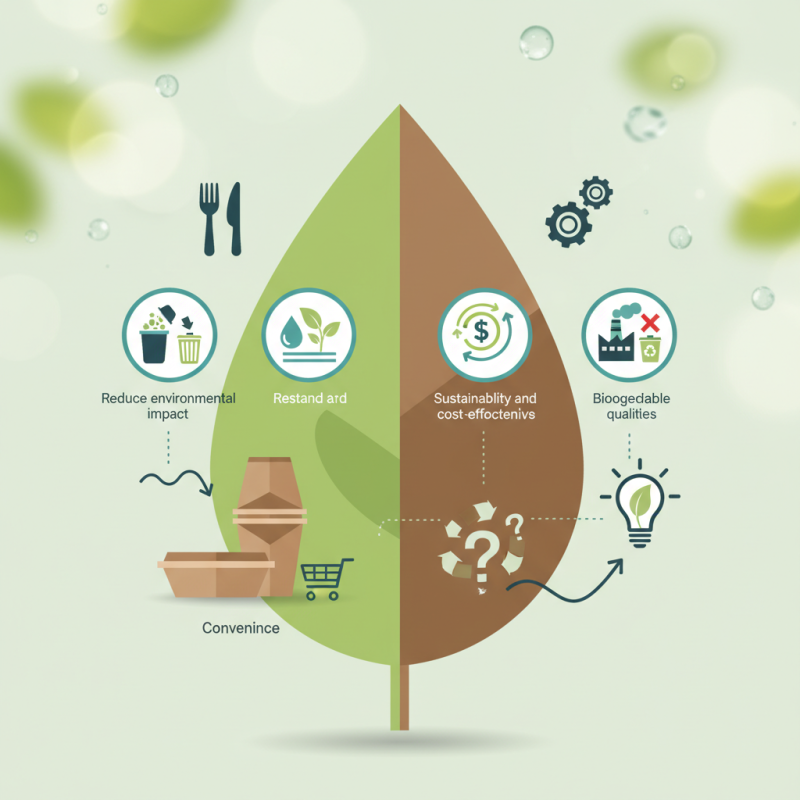
Disposable Food Paperboard plays a crucial role in the food service industry. According to Dr. Emily Hart, an expert in sustainable packaging solutions, "The use of disposable food paperboard is essential for reducing environmental impact." This material provides convenience for food vendors and consumers alike while ensuring safety and hygiene.

In recent years, the demand for Disposable Food Paperboard has surged. Many restaurants and food trucks prefer it over plastic due to its biodegradable qualities. However, the market still faces challenges. Some manufacturers struggle to balance sustainability and cost-effectiveness. Not all disposable food paperboard options are created equal. It is vital to assess their environmental impact carefully.

Understanding the importance of Disposable Food Paperboard involves recognizing its potential benefits and drawbacks. While it offers convenience, it also raises questions about waste management and recycling. The industry must continue innovating to find solutions that cater to both the consumer's needs and the planet's health.
What is Disposable Food Paperboard and Why is it Important?

Definition and Composition of Disposable Food Paperboard

Disposable food paperboard is a crucial material used in the food packaging industry. It is primarily made from recycled paper and wood fibers. This composition makes it both strong and lightweight. The material is designed to hold various food items, such as takeout meals and pastries. It is often treated with coatings to resist moisture and grease, enhancing its functionality.

The importance of disposable food paperboard lies in its practicality and environmental benefits. Many businesses prefer it because it is easy to produce and recycle. However, not all disposable paperboard options are equal. Some products may contain harmful additives that could leach into food. This is where sourcing and transparency come into play. Evaluating the quality and safety of these materials is essential. Many organizations emphasize the need for sustainable practices, but challenges remain in the industry.

Despite the advantages, there are concerns with disposal practices. People often underestimate the influence of proper recycling. Many still discard paperboard incorrectly, leading to landfill waste. This inconsistency raises questions about the overall efficacy of using disposable food paperboard. As we move forward, it is vital to focus on improving methods for both production and disposal.

Key Benefits of Using Disposable Food Paperboard in Food Service

Disposable food paperboard is gaining traction in the food service industry. This material is lightweight and eco-friendly. It is designed for single-use, reducing the risk of contamination. With hygiene being paramount, this feature ensures food safety for consumers.

One key benefit is its versatility. Disposable paperboard comes in various shapes and sizes, suitable for different food types. From takeout containers to plates, it supports the diverse needs of restaurants. Additionally, many paperboard options are biodegradable, promoting a sustainable environment. However, not every product lives up to this promise. Some paperboard materials may still contain harmful substances. This is a crucial factor to consider when selecting suppliers.

Cost-effectiveness is another advantage. Using disposable paperboard can lower cleaning costs and reduce labor. Yet, it’s important to reflect on whether the environmental cost outweighs these savings. Balancing convenience with sustainability presents its own challenges. Each choice impacts not just the business but also our planet.

Environmental Impact of Disposable Food Paperboard Products

Disposable food paperboard has become a common choice in the food industry. Its popularity stems from convenience, but this comes with significant environmental concerns. Paperboard is generally biodegradable, yet its production often involves harmful chemicals and tree harvesting. These practices contribute to deforestation and habitat loss.

Moreover, the disposal of these products presents challenges. Many paperboard items are coated with plastics, preventing proper biodegradability. If not composted correctly, they can end up in landfills, where they take years to decompose. This raises questions about the sustainability of our choices. Awareness of these issues is crucial.

A shift towards more eco-friendly alternatives is essential. Consumers can make informed decisions by choosing uncoated or recyclable options when available. This encourages companies to innovate and rethink their packaging strategies. Small changes can lead to significant impacts over time. The journey towards sustainability requires collective effort and reflection on our consumption habits.

What is Disposable Food Paperboard and Why is it Important?

Product Type Material Used Recyclability Compostability Environmental Impact
Takeout Containers Virgin paperboard Yes Yes Low carbon footprint, biodegradable
Fast Food Wrappers Coated paperboard Yes No Can contribute to waste if not recycled
Beverage Cups PLA (Polylactic Acid) lined paperboard Partially Yes Lower reliance on fossil fuels, compostable
Pizza Boxes Recycled paperboard Yes No Encourages recycling, contaminated by food residue

Innovations and Trends in Disposable Food Paperboard Technology

Disposable food paperboard is evolving rapidly. Recent innovations focus on enhancing sustainability. Many manufacturers now use recycled materials. This shift reduces environmental impact. The production methods have also improved, aiming for lower energy consumption. These changes reflect a commitment to eco-friendly practices.

Trends indicate a growing demand for biodegradable options. Many consumers prefer products that break down naturally. This preference drives research into new materials. These innovations not only help the planet but can also improve food safety. For example, advanced coatings can prevent leaks. Such features enhance the overall user experience.

Yet, challenges remain. Some new technologies may not be affordable for small producers. This disparity can hinder widespread adoption. Furthermore, the industry must address waste management practices. Finding effective recycling solutions is crucial for long-term success. This dynamic field requires constant reevaluation and adaptation.

Importance of Disposable Food Paperboard

This chart illustrates the significance of various factors related to disposable food paperboard, showcasing key aspects such as environmental impact, cost efficiency, biodegradability, consumer preference, and the level of innovation in the sector.

Regulations and Standards Governing Disposable Food Paperboard Use

Disposable food paperboard is widely used in the food industry. Regulations and standards play a crucial role in ensuring safety and sustainability. These guidelines focus on materials' safety, recyclability, and environmental impact. Compliance with local and international standards is vital for manufacturers. These regulations help protect public health and the planet.

Many countries have specific standards related to food contact materials. For example, regulations dictate what substances can be used in manufacturing. Manufacturers must conduct rigorous testing to ensure safety. It’s essential to understand labeling requirements as well. Misleading labels can lead to consumer mistrust.

**Tip:** Always check for certifications on food paperboard products. Look for eco-friendly labels that indicate sustainability.

Failing to adhere to these regulations can lead to legal issues. Companies might face recalls, fines, or damage to their reputation. While it’s tempting to cut corners for cost savings, the long-term consequences are significant. Responsible sourcing is a challenge but necessary for success.

**Tip:** Maintain open communication with suppliers to ensure compliance. Regular audits can help identify areas needing improvement.

FAQS

: What are the main benefits of using disposable food paperboard?

: Disposable food paperboard is lightweight and eco-friendly. It reduces contamination risks, ensuring safer food for consumers.

How does disposable paperboard differ in use?

This material comes in various shapes and sizes. It suits different types of food, including takeout and plates.

Is disposable food paperboard sustainable?

Many options are biodegradable. However, some materials might contain harmful substances, making supplier selection crucial.

Does using disposable paperboard save money?

Yes, it can lower cleaning costs. But it’s important to weigh these savings against potential environmental impacts.

What is the importance of regulations regarding disposable paperboard?

Regulations ensure safety and sustainability. Compliance with local and international standards protects public health and the environment.

What should consumers look for regarding food paperboard products?

Always check for certifications and eco-friendly labels. This helps ensure the product meets environmental standards.

What happens if companies ignore regulations?

Ignoring regulations can lead to recalls or fines. Legal issues can significantly damage a company's reputation over time.

How can companies ensure compliance with standards?

Open communication with suppliers is essential. Regular audits can help identify compliance gaps needing attention.

Are there risks associated with using disposable paperboard?

Yes, some paperboard options may not be as safe as expected. Careful consideration is necessary when selecting materials.

How can businesses balance convenience and sustainability?

It's a challenge. Companies must reflect on their choices, as each decision impacts both the business and the environment.

Conclusion

Disposable Food Paperboard is a versatile and eco-friendly material designed for food service packaging. Composed primarily of renewable resources, it offers several key benefits, including convenience, cost-effectiveness, and the ability to maintain food quality. Its lightweight nature makes it ideal for takeout and delivery applications, enhancing the overall customer experience.

The environmental impact of Disposable Food Paperboard is significantly lower compared to traditional plastic packaging, as it is often biodegradable and recyclable. Innovations in technology are driving improvements in its durability and design, catering to emerging trends within the food industry. Additionally, strict regulations and standards ensure the safety and quality of these products, making Disposable Food Paperboard a crucial element in sustainable food service solutions.

Aria

Aria

Aria is a dedicated marketing professional with a deep passion for innovative strategies and a keen understanding of our company's product offerings. With a wealth of experience in the industry, Aria excels at crafting engaging content that highlights the unique features and benefits of our......