Selecting the right Paper Food Box Board can make a significant difference in food safety and presentation. Industry expert Dr. Lisa Chang emphasizes, “The quality of your packaging reflects the quality of your food.” This insight underscores the importance of choosing the best materials for food service.
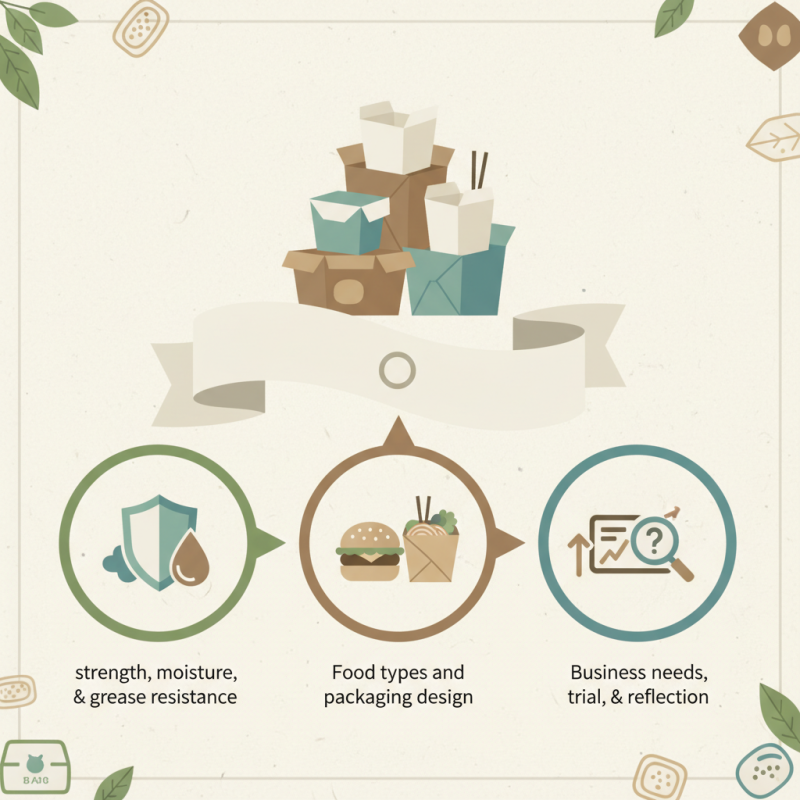
When considering Paper Food Box Board, various factors come into play. The strength and durability of the board are essential for holding different food types. Additionally, the resistance to moisture and grease ensures that the food remains fresh. These attributes are critical for both transport and display. Many suppliers offer different grades, and navigating these options can be overwhelming.
Understanding the specific needs of your business is crucial. Think about the type of cuisine you serve and the packaging design that appeals to your customers. Not every Paper Food Box Board will fit every need. Reflecting on past choices can lead to better decisions in the future. It requires careful consideration and sometimes a bit of trial and error to find the perfect fit for your establishment.
Understanding Various Types of Paper Food Box Board Materials
When choosing paper food box board materials, understanding the options available is crucial. There are various types, each with distinct properties. For instance, coated paperboard is a popular choice for its moisture resistance. It helps maintain the freshness of food items. Another option is bleached paperboard, known for its clean appearance. This type is suitable for applications requiring high-quality visuals.
Sustainability plays an important role in material selection. Recycled paperboard is an eco-friendly alternative that can help reduce environmental impact. However, its strength may not match that of virgin paperboard. Additionally, option variability affects pricing and durability. It's essential to analyze the specific needs of your food products before making a decision.
There are challenges in finding the right balance between cost and quality. Cheaper materials may not offer the durability you require. Moreover, testing different options can lead to unexpected results. Conducting trials can be time-consuming, but it’s valuable for finding the optimal material. Ultimately, understanding these various types can lead to effective product choices.
Evaluating Strength and Durability for Food Packaging Needs
When selecting paper food box board, strength and durability are critical factors. These attributes ensure food safety and maintain packaging integrity. Strong materials prevent leakage and withstand moisture. They are essential for takeaway, catering, and delivery services. Without adequate strength, packaging can collapse, causing spills.
Consider the weight of the contents when evaluating paper board. A heavier item may require thicker board. Look for sources that provide testing data on durability. This can include puncture resistance and compressive strength. Ensuring the board can endure transportation and storage is vital. Testing is key, as materials often behave differently under various conditions.
The finish of the board affects its performance, too. Coatings can enhance moisture resistance but may add weight. Sometimes, a balance must be struck. Not every solution works for every food type. Reflecting on past experiences can guide future choices. An investment in quality board pays off in customer satisfaction and brand reputation.
Top Tips for Selecting the Best Paper Food Box Board
| Board Type |
Weight (g/m²) |
Strength (N/15mm) |
Durability (hours) |
Best Use Case |
| Single Wall |
300 |
12 |
2 |
Takeout Containers |
| Double Wall |
450 |
20 |
4 |
Hot Food Packaging |
| Kraft Paper |
350 |
15 |
3 |
Sandwich Boxes |
| Britefinish |
400 |
18 |
5 |
Bakery Boxes |
| Reinforced |
500 |
25 |
6 |
Heavy-duty Packaging |
Considering Eco-Friendliness and Sustainability in Paper Choices
When selecting paper food boxes, prioritize eco-friendliness. Many consumers now seek sustainable options. Opt for materials that are biodegradable or recyclable. This choice reduces waste and minimizes environmental impacts. Recycled paper products often have a smaller carbon footprint compared to new paper. Choosing these options shows a commitment to preserving our planet.
Consider the sourcing of your materials. Look for paper derived from responsibly managed forests. Certifications can guide you, but not all labels are equal. Some companies do not follow best practices despite their claims. Conducting thorough research ensures you choose suppliers that uphold high standards.
Reflect on production processes too. Some manufacturers use chemicals that harm the environment. Researching how paper is processed can uncover such issues. Sustainable practices may cost more, but they contribute to a healthier planet. Balancing quality, cost, and sustainability is challenging. Ultimately, making informed choices can lead to significant positive impacts.
Assessing Cost-Effectiveness for Your Food Box Production
When assessing cost-effectiveness for your paper food box production, consider the raw material price fluctuations. According to a recent report by Smithers Pira, raw material costs have risen by approximately 5.2% annually over the past five years. This trend impacts overall production budgets. Keeping an eye on market trends is crucial for financial planning.
Material quality also factors into cost considerations. High-quality paperboard may cost more initially but can lead to savings in waste reduction and enhanced durability. A study published by the Paper and Packaging Board indicates that well-designed boxes can reduce food spoilage by up to 30%. Choosing the right balance of quality and price can maximize your investment.
Lastly, consider sourcing strategies that might lower costs. Local suppliers may offer competitive rates, reducing shipping costs and times. Engaging directly with manufacturers could provide further savings. Examining these aspects can empower businesses to make informed, effective decisions that enhance their production efficiency.
Examining Design Flexibility and Customization Options for Branding
When selecting paper food box boards, design flexibility is crucial. Customization options like size, shape, and print allow brands to stand out. Whether you're looking for a classic rectangle or a unique shape, the right board can enhance your product's appeal. Brands should contemplate the message they want to convey through design. Colors can evoke emotions. Graphics speak volumes.
The materials used can vary. High-quality paper often provides a sturdy structure. However, some options may not hold up well under moisture or heat. Testing the durability of the chosen board is essential. You might find that some designs look good on paper but underperform when used. Choosing the right design is a balance between aesthetics and functionality.
Branding is not just about looks. It reflects your identity. Think about how your food box tells your story. Design should be aligned with your brand values and target audience. It's important to gather customer feedback on prototypes. This reflection can lead to improvements that resonate more with consumers. Over time, this iterative process helps refine the design to meet both aesthetic goals and practical needs.
FAQS
: Strength and durability are essential for food safety and packaging integrity.
Heavier items often require thicker paper board to prevent collapse and spills.
Different conditions affect material behavior. Testing ensures durability and performance during transport and storage.
Coatings can enhance moisture resistance but may increase weight, creating a design balance challenge.
Customization options like size and shape help brands stand out and convey their message effectively.
High-quality paper provides sturdiness, while some options may not withstand moisture or heat well.
Feedback on prototypes can lead to improvements that better resonate with consumers.
Packaging design should align with brand values and target audience, reflecting the brand's identity.
Colors evoke emotions, and graphics communicate messages. The right visual elements enhance product appeal.
Reflecting on previous choices can guide better decisions and mitigate potential mistakes in the future.
Conclusion
When selecting the best Paper Food Box Board, it's essential to understand the various types of materials available, as they play a crucial role in meeting food packaging requirements. Key considerations include evaluating the strength and durability of the board to ensure it can withstand different food types and conditions. Additionally, eco-friendliness and sustainability should be prioritized, as consumers increasingly favor environmentally responsible packaging options.
Cost-effectiveness is another critical factor, as it impacts the overall budget for food box production. Finally, examine design flexibility and customization options, which are vital for effective branding and marketing. By carefully weighing these aspects, businesses can choose the right Paper Food Box Board that aligns with their functional, environmental, and aesthetic goals.

 UPG International